For over 100 years, Weleda has been synonymous with holistic natural cosmetics and anthroposophic medicines. With the Cradle Campus, the company aims to redefine its logistics whilst integrating architecture, choice of materials and building services into a holistic concept.
The new building, designed by Michelgroup architects, forms part of Weleda’s long-term corporate strategy. The campus is based on the principles of circular construction and has already received several awards, including the polis AWARD 2024 in the ‘Ecological Reality’ category and the Lehmbau Innovation Prize from the State of Baden-Württemberg. This is testament to its relevance beyond the industry.
The Cradle Campus is consistently designed to utilise renewable and recycled materials. Roof surfaces for energy generation, as well as the material and building design, form part of the holistic planning concept. With a floor area of 82 × 38 metres, the central warehouse is the largest contiguous rammed earth structure in Germany and demonstrates the potential of natural building materials on an industrial scale.
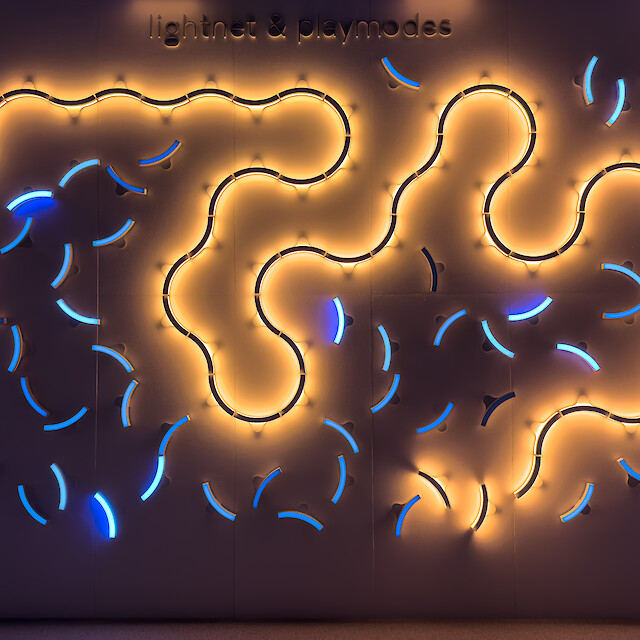
“The decision to choose Lightnet was based on design, functional and sustainability considerations – and because the partner’s values align with our own,” says Daniela Trah, Head of Logistics Projects and Site Management at Weleda.
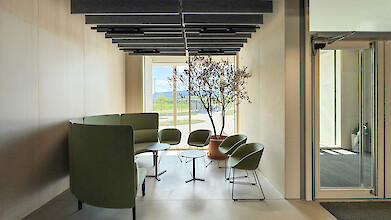
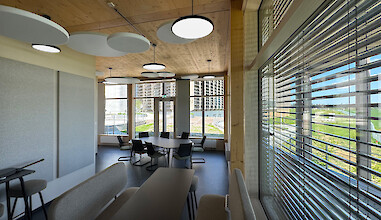
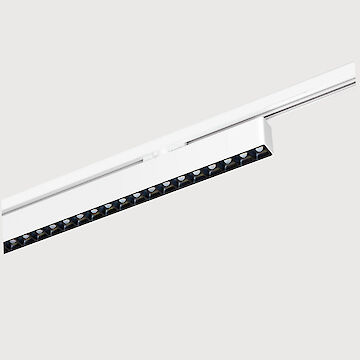
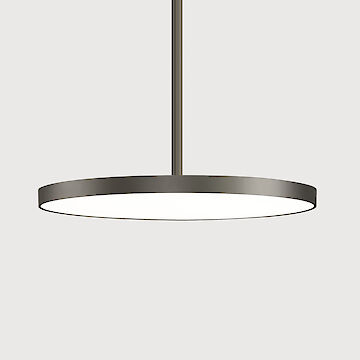
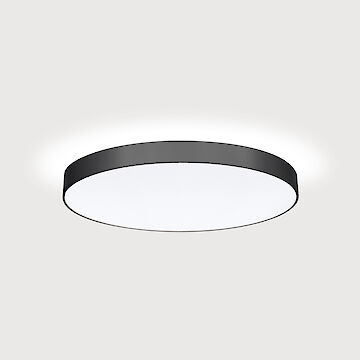
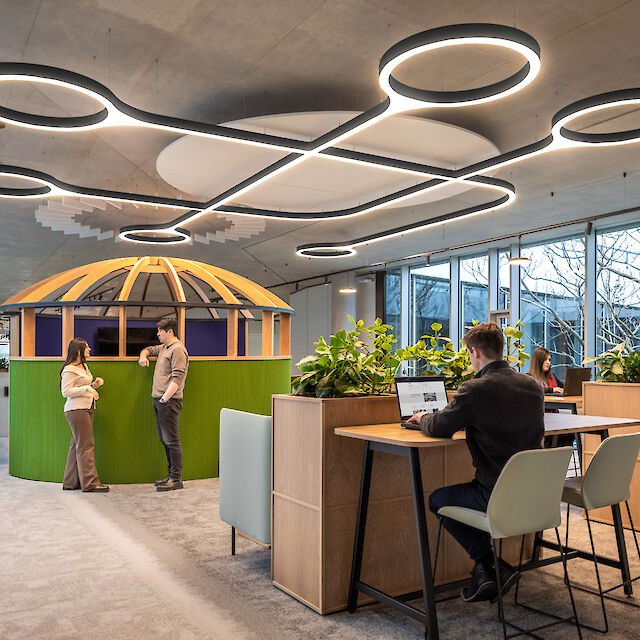
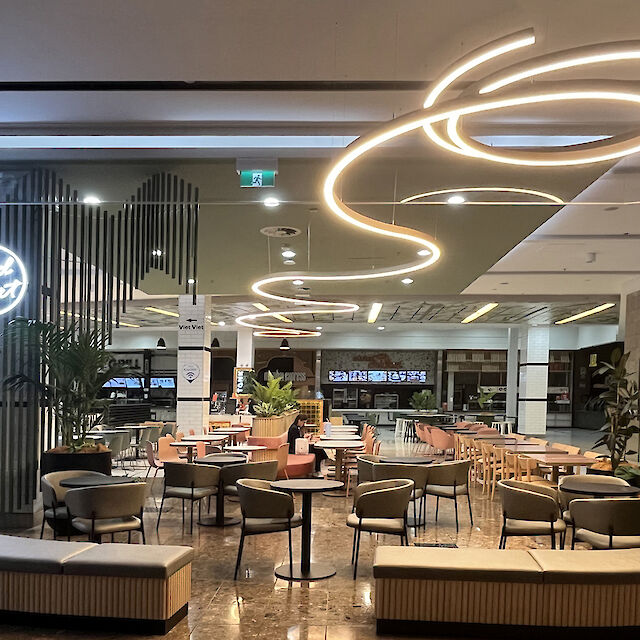
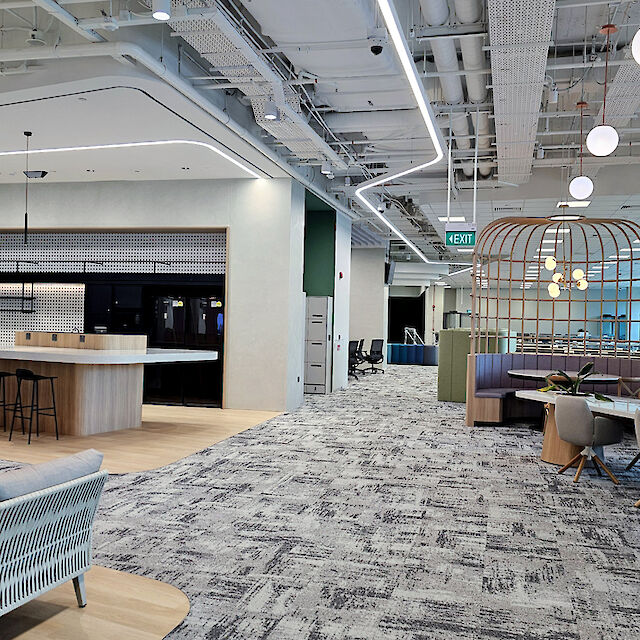
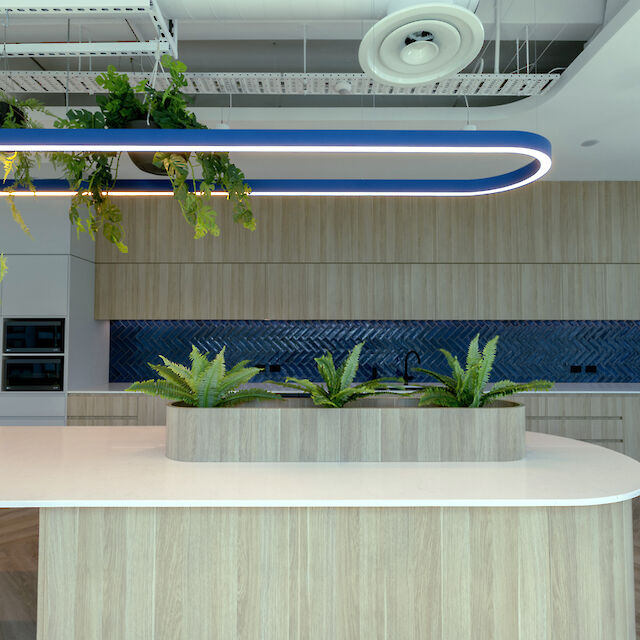
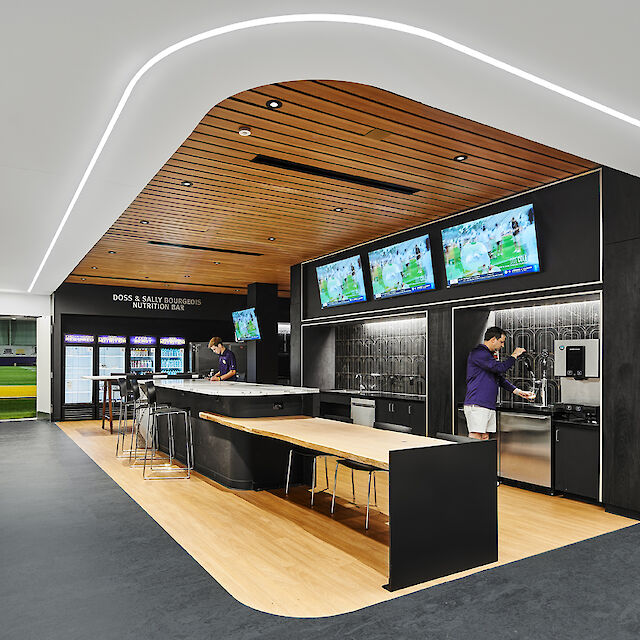
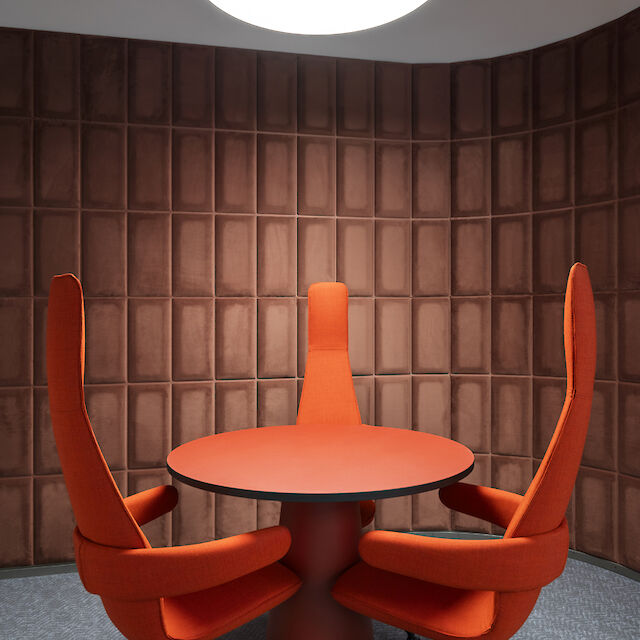
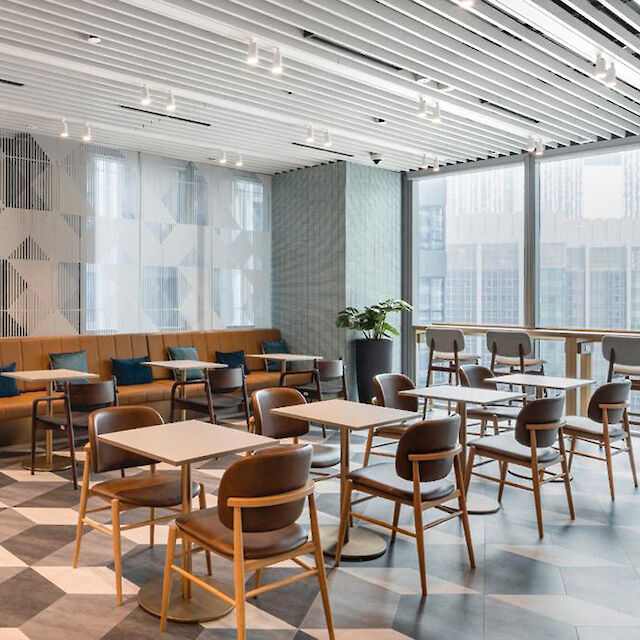
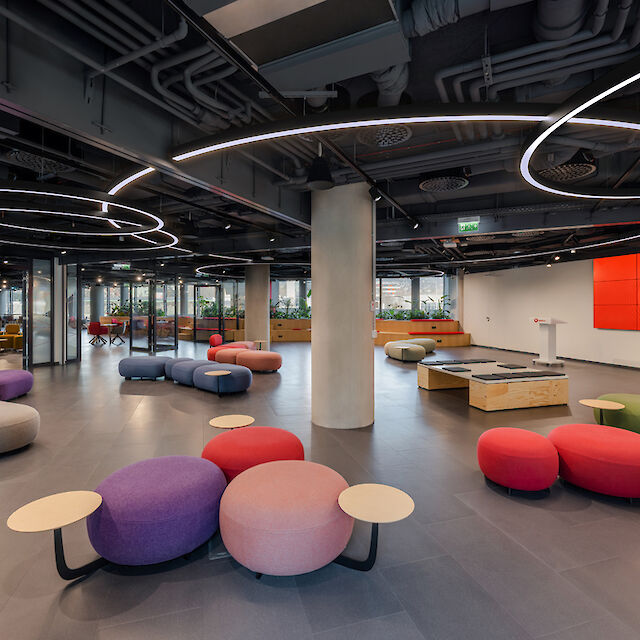
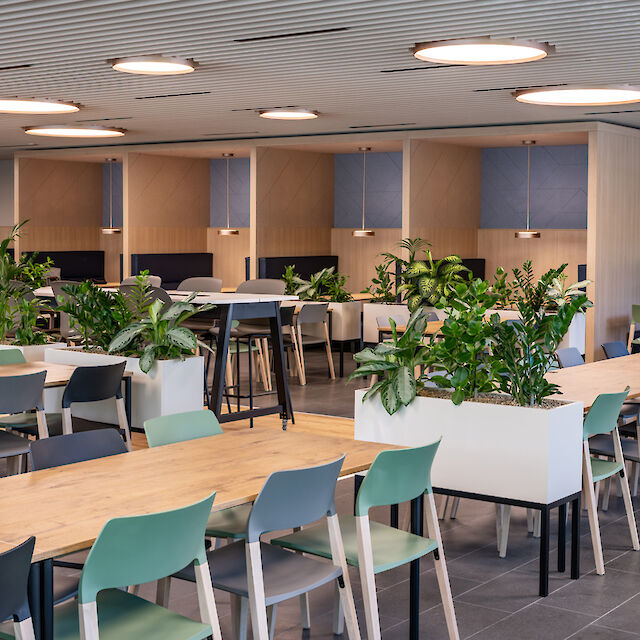
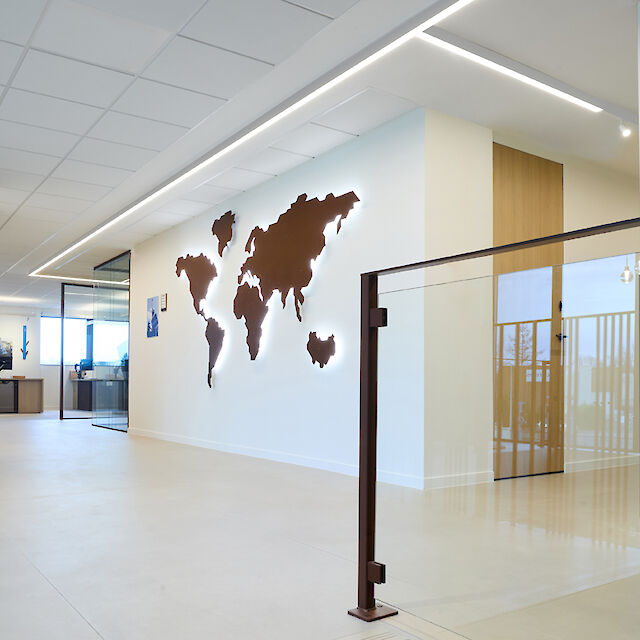
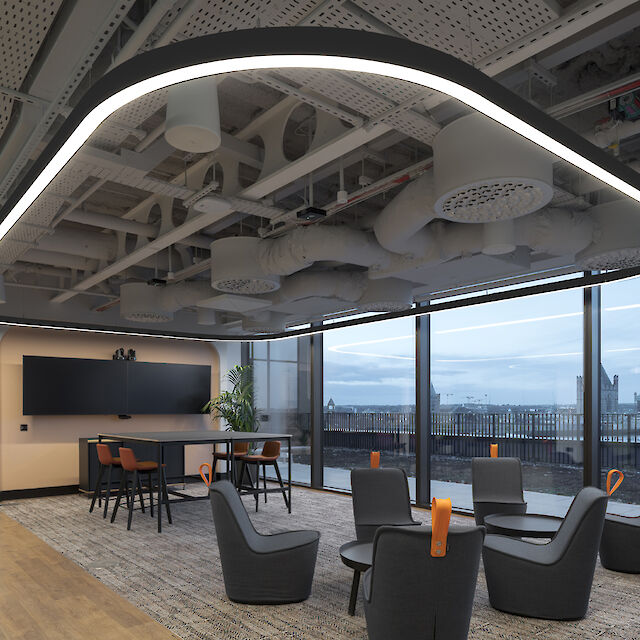
The interiors reflect the campus’s material and architectural language. Thanks to the abundance of wood, muted colours and clear proportions, staff experience a calm, almost homely working environment that is noticeably attuned to their needs. Lightnet luminaires have been installed throughout the interior design: in the entrance area, light lines from the Liquid Line series follow the ceiling structure, whilst luminaires from the Basic series illuminate meeting areas, communal spaces and corridors. With their circular, minimalist form, they showcase the spaces characterised by wood, textiles and exposed concrete. Thanks to their even, glare-free light distribution, they stabilise the ambient brightness, support focused work and blend so naturally into the architecture that they are perceived less as luminaires and more as an integral part of the space.