Light Is Growth
From the Space into the Forest
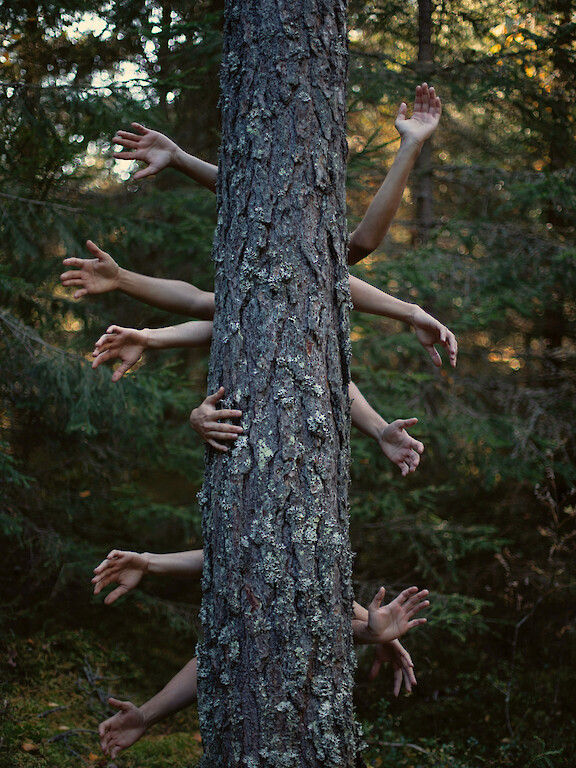
The tree – nature’s architect. A symbol of growth, connection and wellbeing. Just as a tree grows from solid ground, our actions are focused on the future. We actively shape the conditions in which future generations will live. In doing so, we use the resources entrusted to us by nature with care.
Our three guiding principles follow the idea of growth: rethinking light, acting sustainably and taking responsibility. They are the roots of our daily actions – and the driving force behind developing lighting solutions that last.


Growing in Space – The Liquid Line Tree
Interior designer Susanne Philippson has brought the concept of the tree of light to life in two projects. At biotech company Formo in Frankfurt am Main, the idea of growth itself becomes a spatial principle: Liquid Line extends across the full height of the space, forming a gently branching network of light – like the branches of a tree, creating a sense of both shelter and openness.
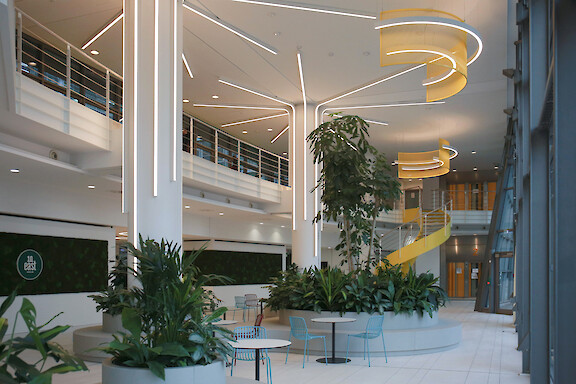
In the foyer of a Berlin office building, “islands of nature” also create atmospheric places to meet. Lushly planted seating areas are framed by vertical lines of light extending from floor to ceiling, creating a warm, inviting atmosphere.
-
Office Building, Berlin, Germany
Lushly planted seating areas are framed by vertical lines of light extending from floor to ceiling, creating a warm, inviting atmosphere.

How Light Lets Spaces Breathe
Just as a tree sustains life, light brings energy into a space. It influences key processes in our bodies: the release of serotonin, melatonin and cortisol affects alertness, mood and periods of rest. A balanced interplay of brightness and colour temperature supports concentration during the day and relaxation in the evening. Light acts as a natural timekeeper, helping to support our internal balance and wellbeing.
But light is far more than illumination alone. It guides perception, emphasises materials and shapes the atmosphere of a space. Used with purpose, light not only makes architecture visible, but allows it to be experienced emotionally – alive, inspiring and connecting.
From the Space into Nature
Just as a tree grows from tiny seeds into strong roots and widely branching limbs, responsible action develops over time – deeply rooted, visible and effective. The Liquid Line Tree shows how light can bring spaces and people together. But responsibility does not end with design: it begins with our relationship with nature and the resources it provides.
That is why Lightnet goes one step further. Inspiration from nature becomes a tangible shared commitment – in collaboration with the Peter Wohlleben Forest Academy. While the tree of light illuminates interiors, Lightnet supports the protection of tomorrow’s forests outdoors. Together with Germany’s best-known forester, we support a wilderness project that preserves one of Europe’s rarest ecosystems: nature left to develop on its own – without human intervention.

-
Lichtagentur, Bamberg, Germany
At the Lichtagentur Bamberg office, the lines of Liquid Line flow along the wall and through the entire space. Finished in matt black, they pick up on details in the interior and emphasise the clear geometry of the floor plan.
Text: Alina Tenberg

When Light Made Us Wonder Liquid Tiles
126 light segments rotate to form ever-changing patterns. Behind them are Playmodes, Lightnet and an idea that only found its form on the second attempt.

When Light Takes Root nterview with Peter Wohlleben
The tree of light leads back to the forest. Peter Wohlleben explains what lighting designers can learn from fireflies and why plants need darkness too.