Urban forests New Living Spaces in the Heart of the City
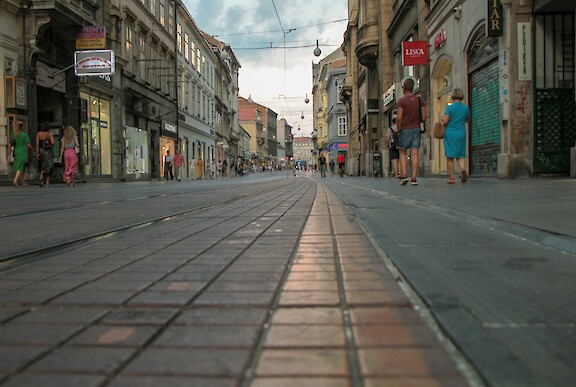
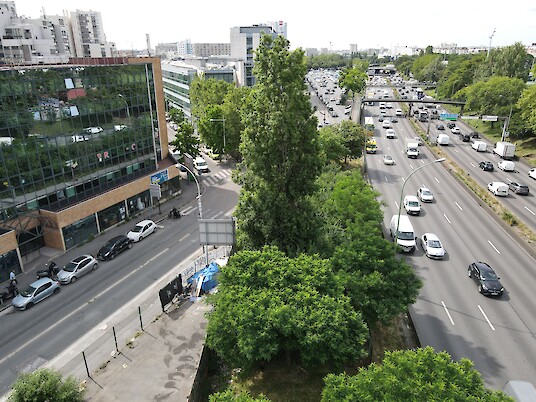
Cities today are above all dense, heavily built-up and under constant pressure. Concrete, glass and asphalt shape large parts of the urban environment, retain heat and allow little rainwater to seep into the ground. This becomes particularly noticeable in summer: streets heat up and warmth builds up between buildings.
But the way we look at urban spaces is gradually changing. In cities such as Paris, vegetation is returning to the city step by step. Surfaces are being unsealed, trees planted and new green spaces created. Between asphalt and architecture, more space for vegetation is beginning to emerge.

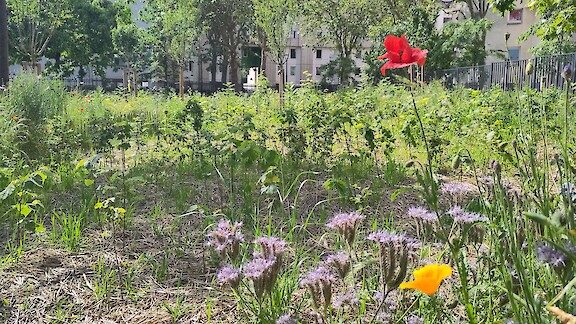
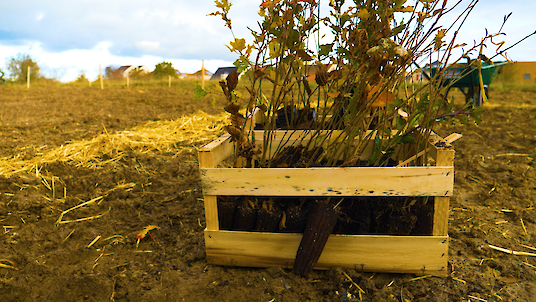
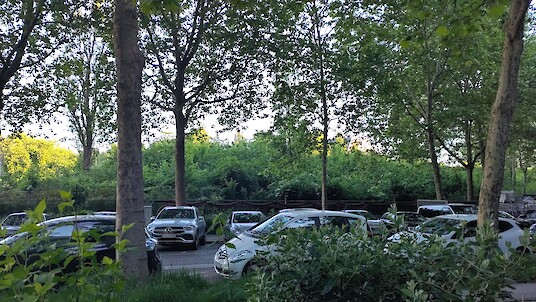
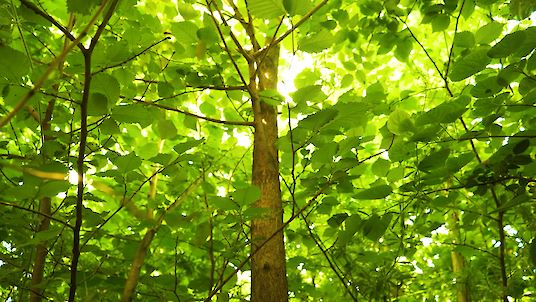
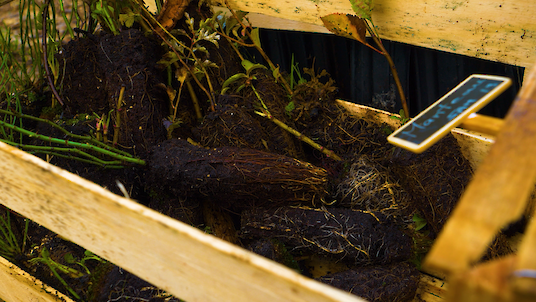
This is precisely the approach taken by the French organisation Boomforest. It creates urban mini-forests on sealed or unused sites, following the Miyawaki method: different native species are planted close together and, over time, develop into dense, multi-layered vegetation. In this way, new green spaces emerge between asphalt, façades and traffic, while also providing habitats for different animal species. Where there was previously little vegetation, a small patch of forest takes shape in the middle of the city.
Our partnership with Boomforest
This year, Lightnet France is supporting Boomforest as a partner. As with our previous collaborations with the Scottish Wildlife Trust and One Earth – One Ocean, this commitment follows a simple principle: concrete projects, rooted locally and implemented together with our partners.


Lightnet supports the Scottish Wildlife Trust
We are delighted to be working with the Scottish Wildlife Trust in 2025 to support the restoration and conservation of two unique peatland areas in Scotland.